(2026-08-02) Tooze Breaking Down The Big Mac; The Economics Of American Water; the History Of The Pocket
Adam Tooze: Breaking down the Big Mac. The economics of American water. The dismembering of Mali & the history of the pocket.
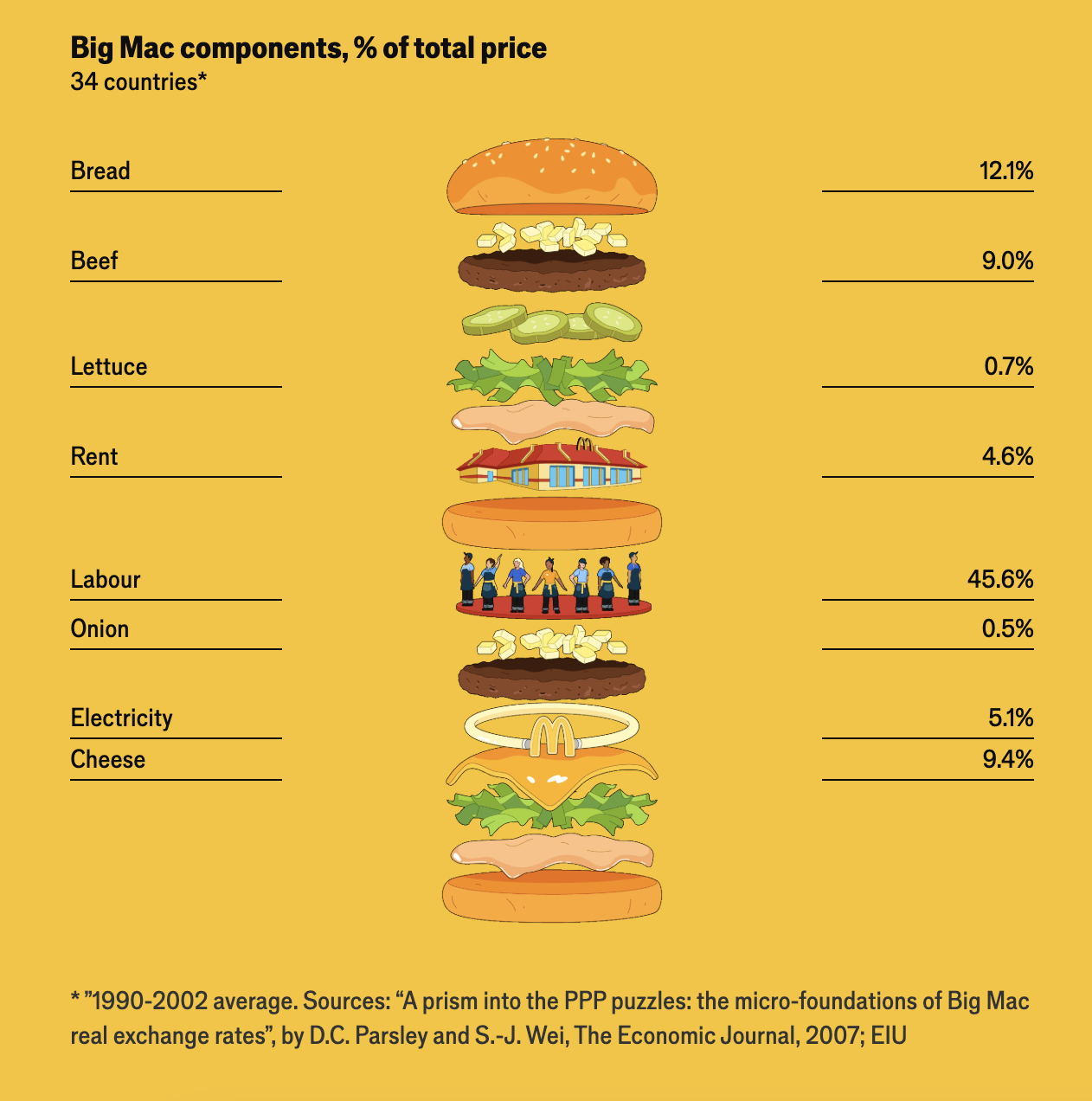
A Big Mac contains 60 separate “inputs”. Surprising that bread is a bigger component than beef!.
Persistent divergences in Big Mac RER are evident.
Might the dollar be in the wrong place?
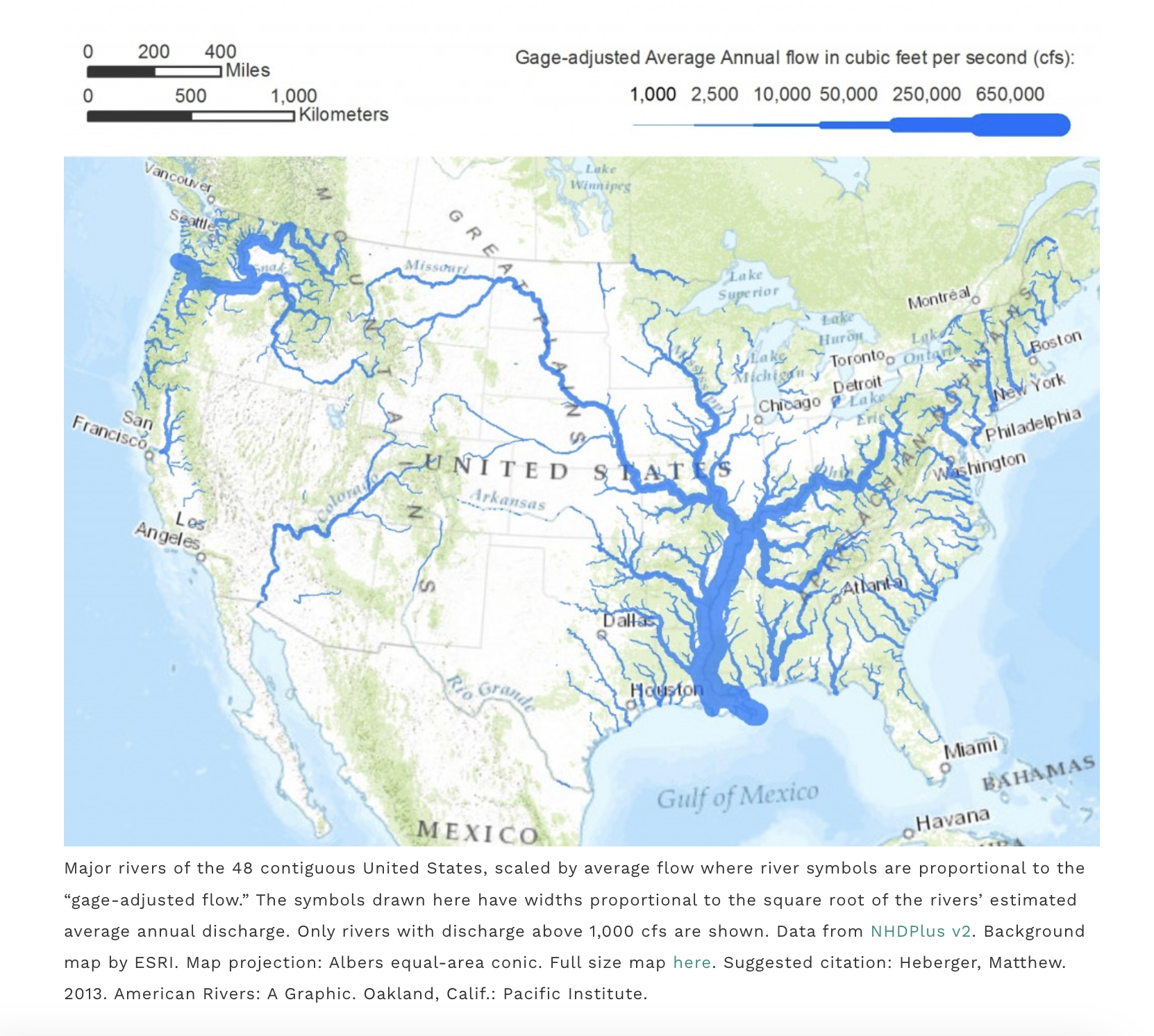
American Rivers: A Graphic Peter Gleick and Matthew Heberger
Note the thinning of the Colorado River as it makes its way south, due to withdrawals for cities and farms. Also note the drying of some of the West’s main rivers—long stretches of the Salt, Pecos, Canadian, Rio Grande, and San Joaquin Rivers virtually disappear as their flow drops below 1,000 cfs as a result of withdrawals for human use.
The history of the pocket, Freya Johnston on The Pocket: A Hidden History of Women’s Lives, 1660-1900 by Barbara Burman and Ariane Fennetaux. 2019.
Like the novel, with whose origins it is contemporary, the pocket is a repository that promises to contain and disburse secrets. Pockets, like novels, can enclose a story about the lost and found.
In The Beggar’s Opera (1728), Peachum, a thief-catcher, surveys with Lockit the jail-keeper their cache of stolen goods, including ‘seven and twenty Women’s Pockets compleat; with the several things therein contain’d; all Seal’d, Number’d, and enter’d’. This criminal inventory imposes order on what was often a chaotic miscellany of things.
Like the pocket, the 18th-century novel is regularly accused of being overstuffed with random items of little value. One anonymous reviewer complained in 1781 that inferior novelists found ‘throwing together’ anything they might ‘pick up’ a ‘convenient method’ of composition. Between the late 17th and early 19th centuries, women’s pockets usually took the form of a bag or pouch tied around the waist and beneath the skirts, worn quite independently of other clothing. They might contain (among other things) a work of fiction, a pocket mirror, a snuff box and a sewing kit, as well as money. Lucy Locket in the nursery rhyme ‘lost her pocket’ because it was detachable – by the owner, or by someone else.
Water and Californian agrobusiness
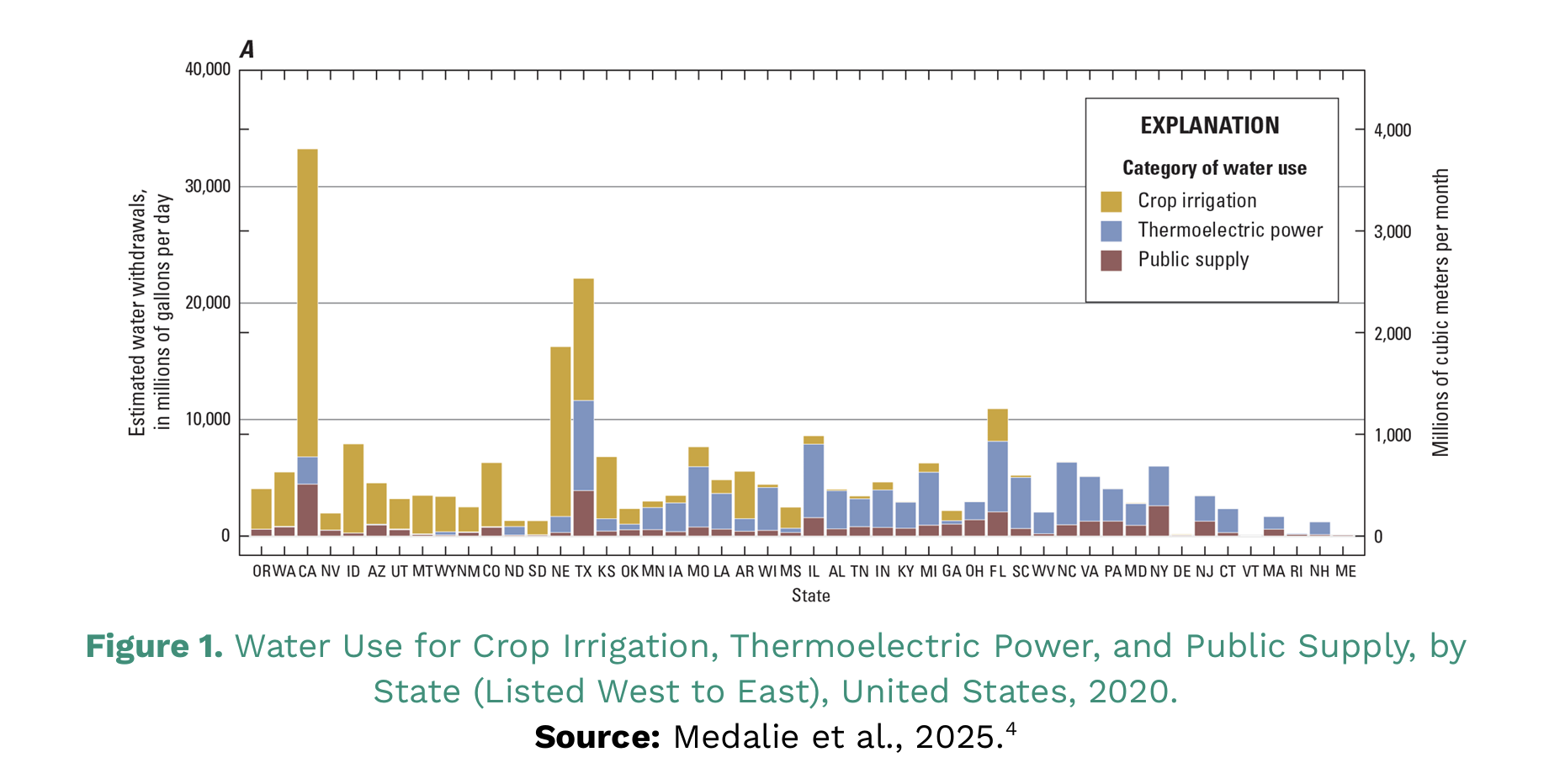
In the early 1960s, agriculture accounted for approximately 5.5% of California’s GDP. By 2024, as the state’s economy expanded and became more diversified, this share had declined to 1.7%. At the same time, California agriculture remains highly significant at the national scale, contributing about 12% of total U.S. agricultural production. California agriculture produces more than 75% of the nation’s fruits and nuts and almost half of its vegetables.
Exports were concentrated in a small set of high-value commodities, led by almonds ($4.95 billion), pistachios ($2.93 ) billion), dairy ($2.60 billion), wine ($1.08 billion), and walnuts ($0.92 billion) in 2024.
Edited: | Tweet this! | Search Twitter for discussion

 Made with flux.garden